People experience an itchy scalp because it causes more than basic discomfort, which results in lower self-esteem and damages their hair and their ability to experience daily comfort. The process of discovering scalp itchiness must occur before people can discover effective methods to achieve a healthy, comfortable scalp, which results in beautiful hair. At Toni & Guy, we prioritise scalp health as an integral part of holistic haircare, offering expert guidance, professional Itchy Scalp Treatment, and personalised solutions to ensure your scalp stays balanced, nourished, and itch-free while supporting the overall strength and shine of your hair. Want deeper insights? Check out our latest blog about Low-Density vs Thick Hair and 5 benefits of getting proffesional blowdry
Why Your Scalp Itches
- It can be caused by dryness, irritation, or medical conditions.
- May result from hair care product reactions
- Often linked to lifestyle, stress, or death.
- Scalp health impacts overall hair quality.
- Solutions range from at-home care to professional treatments.
1. Dry Scalp
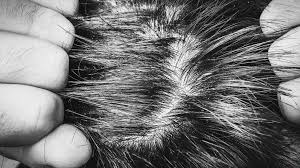
A dry scalp is the most common reason for itchiness. When the scalp loses moisture, it can flake and feel tight or itchy. Dryness may result from over-washing, harsh shampoos, or environmental factors like sun and wind.
Relief tips:
- Use a gentle, hydrating shampoo.
- Avoid daily hot-water washings.
- Apply a nourishing scalp serum or oil.
Professional itchy scalp care service at Toni & Guy very often includes moisturising masks that will rebalance moisture levels.
2. Product Buildup
Hair styling products like gels, sprays, and mousses can build up over time, trapping dirt, oil, and residue on the scalp. This accumulation blocks pores and irritates the skin, leading to persistent itching, discomfort, and sometimes flaking, making regular cleansing and clarifying essential for a healthy scalp.
Signs of buildup:
- Greasy, heavy feeling on the scalp
- Flakes that aren’t dry skin
- Reduced hair volume
Relief tips:
- Use a clarifying shampoo once a week.
- Avoid layering multiple heavy products daily.
- Schedule a professional scalp cleanse
3. Dandruff (Seborrheic Dermatitis)
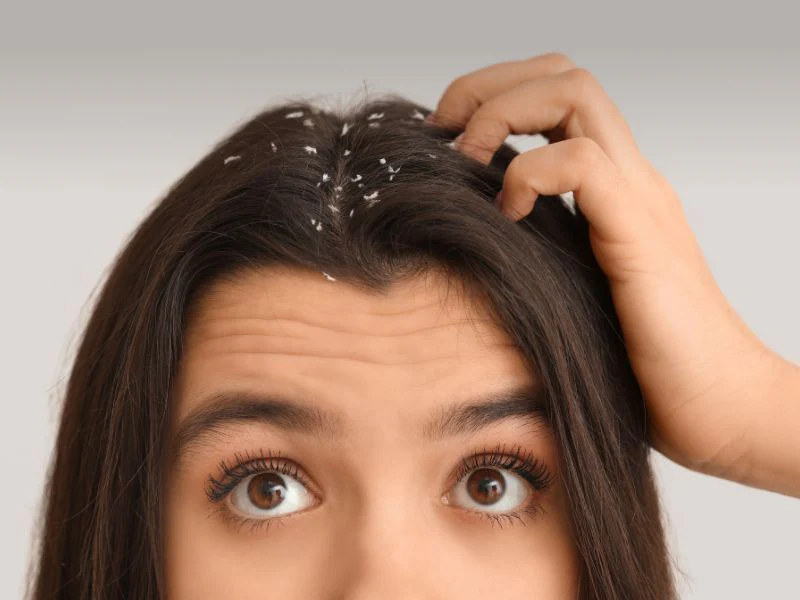
Dandruff is a common scalp condition that causes itching and white flakes. It is often triggered by yeast overgrowth or excess oil production.
Relief tips:
- Use anti-dandruff shampoos with zinc pyrithione or ketoconazole.
- Avoid scratching, which worsens irritation.
- Maintain a regular scalp cleansing routine.
Treatment for an itchy scalp can be concluded as an exfoliation along with medicated shampoos.
4. Allergic Reactions or Sensitivity
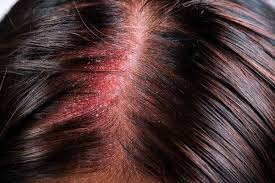
Allergic reactions to hair dyes, shampoos, conditioners, or styling products can cause scalp itches. The skin becomes sensitive, which displays through redness, small bumps and skin irritation, which requires identifying skin triggers that need to be treated with mild products. hypoallergenic alternatives.
Relief tips:
- Patch-test new products before use
- Switch to fragrance-free or hypoallergenic haircare.
- Rinse thoroughly after any chemical treatment.
At Toni & Guy, stylists recommend customised scalp-friendly treatments for sensitive scalps.
5. Scalp Psoriasis
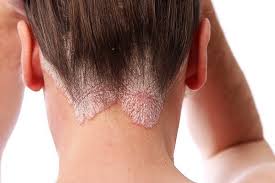
Psoriasis is a skin disease that lasts for life and produces raised, scaly patches which develop on the scalp and cause continuous skin discomfort. The condition has a genetic basis, which can cause it to appear with psoriasis in different body parts while requiring specific medical treatment to control its symptoms.
Relief tips:
- Use medicated shampoos with coal tar or salicylic acid.
- Moisturise with gentle oils.
- Consult a dermatologist for severe cases
6. Stress and Lifestyle Factors

High stress levels can trigger scalp inflammation, which results in excessive oil production that causes itchiness. The symptoms become more severe because of lifestyle choices, which include bad eating habits, insufficient water intake and inadequate sleep.
Relief tips:
- Incorporate stress-reducing practices like yoga or meditation.
- Maintain a balanced diet rich in omega-3 and vitamins.
- Stay hydrated to support scalp and hair health
7. Fungal or Bacterial Infections
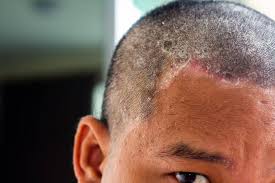
Fungal infections, called ringworm, and bacterial infections can make the area itch persistently, turn red, and sometimes cause hair loss.
Relief tips:
- Use antifungal shampoos recommended by professionals.
- Avoid sharing combs, brushes, or hats.
- Consult a healthcare professional for a proper diagnosis
8. Hormonal Changes

Hormonal changes that happen during pregnancy, menopause and through thyroid conditions will impact the condition of scalp health. The condition causes two opposite effects because it makes the skin either excessively oily or excessively dry, which leads to skin itching.
Relief tips:
- Discuss symptoms with your healthcare provider.
- Use gentle, scalp-balancing shampoos.
- Maintain a consistent hair care routine
9. Head Lice
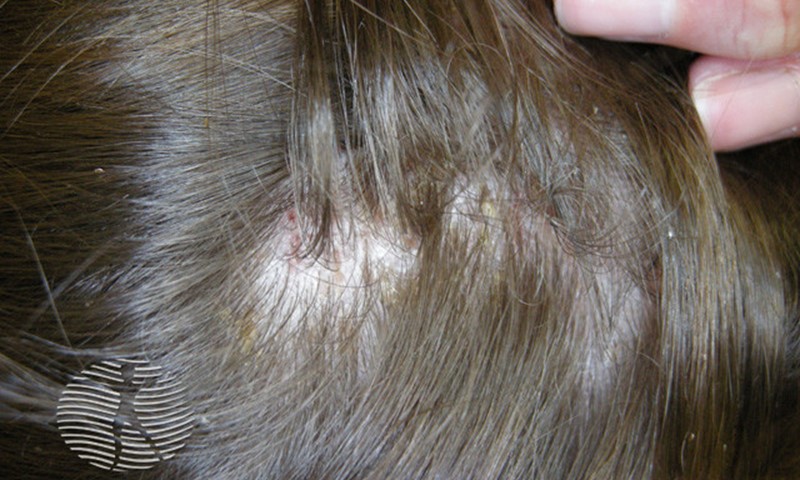
Head lice are the parasitic insects that cause severe itching, specifically around the nape of the neck and behind the ears.
Relief tips:
- Use medicated lice treatment shampoos.
- Wash hair accessories, pillowcases, and hats.
- Avoid scratching to prevent infection
10. Environmental Factors
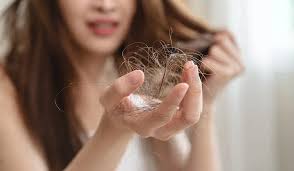
Pollution, humidity and extreme weather conditions, together with chlorine exposure, create scalp irritation. Environmental factors can strip natural oils, which results in dry and itchy scalp conditions.
Relief tips:
- Cover hair when exposed to the sun or wind.
- Use protective serums or oils.
- Wash hair after swimming or outdoor exposure
Toni & Guy Approach to Itchy Scalp Treatment
At Toni & Guy, staff members consider scalp health to be essential for complete haircare treatment. The expert stylists of our salon perform scalp assessments to determine the causes of itchiness, which they treat with customised solutions. This package offers professional scalp analysis together with specialised itchy scalp treatment shampoos, masks and nutrient-rich serums and daily haircare routine recommendations. Our approach provides immediate treatment relief, while our treatments produce lasting scalp health results, together with nourishing effects that maintain hair balance and comfort.
Daily Tips to Prevent Scalp Itchiness
Maintaining a healthy scalp goes beyond treatment. Simple daily practices can help prevent itching:
- Wash hair with a gentle shampoo suited to your scalp type.
- Avoid excessive heat styling and chemical treatments.
- Massage your scalp regularly to improve blood circulation.
- Keep hair accessories and brushes clean.
- Maintain a balanced diet and hydration.
Conclusion
Scalp itching is very common, though all people try to stop it from happening. The actual cause needs to be identified because it serves as the fundamental requirement for successful treatment. Toni and Guy, through their professional stylists, develop custom treatments for itchy scalp problems which achieve a balance between client comfort and the requirements of maintaining healthy hair and a beautiful appearance.
By combining professional care, the right products, and healthy hair practices, you can maintain a calm, comfortable scalp and gorgeous hair every day.
Take the first step today: Book a scalp consultation with Toni & Guy. Discover what will work suitably for you for a soothing, lice-free scalp situation. For more inspiration, be sure to check out our Toni&Guy Instagram page! Check out our latest blog for more details about Best Met Gala Look Of Indian Celebrities
FAQs About Scalp Itches and Treatments
1. What causes a scalp to itch suddenly?
Sudden itchiness can result from product reactions, dryness, infections, or stress.
2. How can I relieve an itchy scalp at home?
The process requires the application of mild shampoos together with hydrating oils, while users must refrain from scratching, and they need to wash their bodies completely after using all products.
3. What is the best itchy scalp treatment?
Professional itchy scalp treatment includes medicated shampoos, scalp masks, and personalised care routines.
4. Can dandruff cause scalp itchiness?
Yes, dandruff or seborrhoeic dermatitis is a common cause of itching and flaking.
5. How frequently should I wash my hair to prevent itchiness on my scalp?
Washing 2–3 times a week with a suitable shampoo is ideal. Overwashing can worsen dryness.
6. Can stress affect scalp health?
High stress can trigger scalp inflammation and itching; relaxation and diet help maintain a healthy scalp.
7. Are natural remedies effective for scalp itchiness?
Natural oils and mild home remedies offer some alleviation, but authentic implications are warranted to address the resolution.