Blog

7 Summer Haircare Tips For Kids

Introduction

Summer’s a time for carefree fun – sunshine, pool dips, and beach adventures bangalore! But all that outdoor enjoyment can take a toll on your child’s delicate hair.

The sun’s rays, chlorine, and saltwater can leave their locks dry, frizzy, and prone to breakage. Fear not, parents! With a few strategic summer haircare tips, you can keep your little one’s mane healthy and thriving all season long.

1. Be a Sun Shield: Protect Their Strands from UV Rays

1 4

Just like we protect their skin with sunscreen, we need to safeguard their hair from the sun’s harsh UV rays. Sun exposure can bleach hair, dry it out, and make it brittle. Here’s a two-pronged approach to sun protection:

  • Hats on, Fun in the Sun: Wide-brimmed hats are a stylish and practical way to shield their hair and scalp. Look for hats made of breathable materials like cotton or straw. These hats not only protect their hair but also keep their faces shaded, reducing the risk of sunburn. Consider incorporating fun patterns or characters on the hats to make them more appealing for your child to wear.
  • Leave-in Conditioners with SPF: These handy products offer a double whammy of hydration and UV protection. Apply a leave-in conditioner with SPF before venturing outdoors. Look for a product specifically formulated for children, with a gentle, tear-free formula and a pleasant scent that they’ll enjoy. Reapply the leave-in conditioner throughout the day, especially after swimming or sweating.

2. Pre-Swim Prep: Mitigate Chlorine and Saltwater Damage

Chlorine and saltwater are summer staples, but they can wreak havoc on hair. Here’s how to be proactive and minimise damage before they take a dip:

  • Wet Hair is Your Friend: Before plunging into the pool or ocean, give your child’s hair a good drenching with fresh water. Wet hair acts like a barrier, absorbing less chlorine or salt, and minimising damage to the hair shaft.

3. Post-Swim TLC: Rinse, Condition, and Replenish Moisture

Don’t let chlorine or saltwater linger on their hair. Here’s the after-swim routine to keep their hair healthy:

  • Rinse, Rinse, Rinse: As soon as they’re done swimming, rinse their hair thoroughly with clean, fresh water. This removes chlorine and saltwater residue that can dry out their hair and irritate their scalp.
  • Conditioning is Key: Follow up with a generous amount of conditioner specifically formulated for swimmers. Look for ingredients like shea butter or coconut oil, which are renowned for their moisturising properties. These ingredients help replenish moisture lost during swimming and prevent dryness and frizz.

4. Hydration from Within and Without: Nourish Hair for Health

Healthy hair starts from the inside out. Here’s a two-pronged approach to keep their hair hydrated:

  • Water, Water Everywhere: Encourage your child to drink plenty of water throughout the day. Proper hydration keeps hair healthy and prevents dryness. Make water fun and appealing by using colourful water bottles or adding slices of fruits like cucumber or lemon for a refreshing twist.
  • Moisturizing Magic: Use a gentle, tear-free shampoo and conditioner formulated for children’s hair. Look for ingredients like shea butter, coconut oil, or aloe vera, which are renowned for their moisturising properties. These ingredients gently cleanse the hair without stripping away natural oils and provide essential hydration to keep the hair soft and manageable.

5. Tame the Tangles: Gentle Detangling for Fuss-Free Hair

Summer fun often leads to tangled tresses. Here’s how to manage them with minimal breakage:

  • Wide-Tooth Comb is Your BFF: Avoid the breakage caused by harsh brushes. Use a wide-tooth comb to gently detangle wet or dry hair. Start at the ends and work your way up to the roots to minimise pulling and breakage.
  • Leave-in Detangler: A leave-in detangler can be a lifesaver, especially for long or curly hair. It makes combing easier and helps prevent future tangles. Look for a detangler with a pleasant scent and that is tear-free and safe for their eyes.

6. Give Heat Styling a Break: Embrace Natural Texture

Summer heat is enough! Avoid using hot styling tools like straighteners or curling irons on your child’s hair. The heat can damage the hair shaft and lead to dryness and breakage. Let their hair air dry whenever possible.

  • Embrace Natural Curls or Waves: If your child has naturally curly or wavy hair, summer is the perfect time to embrace their natural texture. Use a leave-in conditioner or curl cream specifically formulated for curly hair to define their curls and prevent frizz.
  • Updos for Playtime: For straight or wavy hair, consider fun and practical updos like braids, buns, or ponytails. These styles keep hair out of their face during playtime and are easier to manage throughout the day.

7. Trim those Split Ends: Regular Trims for Healthy Hair

2 3

Regular trims are essential for healthy hair, especially during the summer. Split ends can travel up the hair shaft, causing breakage and making hair look unhealthy. Schedule trims every 6-8 weeks to keep their hair looking neat and healthy.

Bonus Tip: Fun and Functional Hairstyles

Braids, buns, and ponytails are not only cute but also practical for keeping hair out of your child’s face during playtime. They’re also easier to manage and maintain during the summer months. Here are some fun ideas to inspire you:

  • Messy Bun with Braids: For a playful and stylish look, create a messy bun with a few braids incorporated on the sides. This style is perfect for keeping hair out of their face while adding a touch of detail.
  • French Braids: French braids are a classic and practical hairstyle. They keep hair secure and prevent tangles, making them ideal for long days at the beach or pool.
  • Pigtails with Ribbons: Pigtails are a cute and easy hairstyle for younger children. Add some colourful ribbons for a fun and festive touch.

Remember: Consistency is key! Make these haircare practices part of your summer routine, and your child’s hair will thank you for it. With a little planning and these simple tips, you can ensure your child has healthy, manageable hair that’s ready for all their summer adventures!

Conclusion

By following these easy tips, you can ensure your child’s hair stays healthy, manageable, and ready for all their summer adventures.

Remember, consistency is key! Make these haircare practices part of your summer routine, and your child will be thanking you with healthy, happy hair. Now, go forth and conquer summer with confidence and beautiful hair!

FAQs

1. How can I protect my child’s hair from sun damage during the summer?

To protect your child’s hair from sun damage, use a wide-brimmed hat or cap to shield their scalp and hair from direct sunlight. Additionally, apply a leave-in conditioner or a hair sunscreen spray with UV protection to keep their hair hydrated and safe from UV rays.

2. What are some tips for preventing tangled hair after swimming?

Before swimming, braid or tie your child’s hair in a secure bun to minimise tangling. Rinse their hair with fresh water before entering the pool to reduce chlorine absorption. After swimming, use a detangling spray and a wide-tooth comb to gently remove knots and tangles.

3. How often should I wash my child’s hair during the summer?

In the summer, it’s advisable to wash your child’s hair 2-3 times a week to remove sweat, dirt, and chlorine. Use a mild, sulfate-free shampoo to avoid stripping the hair of its natural oils. On non-wash days, you can rinse the hair with water and condition the ends if needed.

4. What can I do to keep my child’s hair hydrated in the summer heat?

To keep your child’s hair hydrated, use a moisturising shampoo and conditioner designed for kids. Apply a leave-in conditioner or hair oil to lock in moisture. Encourage your child to drink plenty of water to stay hydrated from within, which also benefits their hair.

5. How can I manage my child’s frizzy hair during humid summer days?

To manage frizzy hair, apply an anti-frizz serum or leave-in conditioner to damp hair after washing. Avoid excessive heat styling and let the hair air dry when possible. Using a wide-tooth comb instead of a brush and sleeping on a satin pillowcase can also help reduce frizz.

Best HairCare Tips For Swimmers

Introduction

Swimming is a great way to keep fit and enjoy playing with water; however, it can really pound your hair. Chlorine, saltwater, and the sun may leave your hair dry, brittle, and  discolored.

However, with the right strategies in hair care, you can protect your hair from getting harmed and maintain its healthy and shiny appearance.

In this blog, we’re going to go through some really best  haircare tips for swimmers, so your locks look their best both in and out of the pool.

Also Check – How Can Conditioner Enhance Your Hair care?

The Effects Of Swimming On Your Hair

1

Swimming is an amazing sport, but pool water chemicals and ocean salt can do quite some damage on your hair. So how exactly does swimming affect one’s hair?

Chlorine and salt can suck moisture out of hair, causing dryness and brittleness. These hair care tips on swimming are to help keep the damage at bay.

Knowing what makes swimming bad for your hair enables you to work on a bespoke routine that will take care of your hair properly for maximum protection and nourishment. Applying these tips will keep your hair healthy, shiny, and resilient against the elements.

Chlorine Damage

Chlorine is one of the most common disinfectants used in swimming pools. It keeps the water clean, but it can take away all of the natural oils in your hair, making it very dry and brittle. If you have been swimming over a long period of time, it eventually causes split ends and lack of luster overall.

Saltwater Effects

Saltwater can be very unforgiving. It removes moisture from your hair. The outcome is usually dry and frizzy strands. If you swim frequently in the ocean, you may end up with  knotted hair 

Sun Exposure

Hours of swimming outdoors can cause you hair damage through ultraviolet light. The ultraviolet light can cause fading of color-treated hair and weaken the hair structure. The hair eventually becomes dry and straw-like as a result of sun damage.

Hair Care Tips Before Swimming

2

Taking the right precautions before going in will save much damage. Some of the best hair care tips for swimmers are as follows :

Shampoo Your Hair

Shampoo your hair an hour prior to going into the pool or ocean. The shampoo will douse your hair and provide it with that element of protection to deter the ingestion of chlorine or saltwater.

Apply A Leave-In Conditioner

For additional protection, apply leave-in conditioner. Look for products that contain moisturiser oils or silicone-based ingredients to help shield your locks from the worst rigors.

Braid Or Pull Back

Braid your hair or pull it back into a bun before swimming. This reduces tangling and also prevents tangling while wet. 

Probably one of the best  hair care tips for swimmers against chlorine and salt water is wearing a swim cap. It may not keep your hair entirely dry, but it dramatically minimises contact with damaging elements.

Post -Swimming Hair Care Tips

After swimming, it is good practice to ensure moisture restoration and fixing damage caused. Here are some primary post-swimming hair care tips.

1. Rinse Immediately

When you leave the water, rinse out your hair with fresh water. This will remove chlorine or salt and minimize damage.

2. Use A Clarifying Shampoo

Sometimes, add a clarifying shampoo to your wash routine to flush out chlorine buildup. However, don’t use it too frequently since clarifying shampoos can drain the moisture out of your hair if used excessively.

3. Deep Conditioning Treatments

Use a good deep conditioning treatment to  restore moisture. You may avail of masks with argan oil, coconut oil, or shea butter that are able to feed and moisten your hair.

4. Steer Clear From Using Heat Styling

Maintain your hair off from the usage of heat styling tools when you step out of the pool. Air-dry it as much as you can, and if you don’t, during the use of heat, apply a heat protectant spray first.

Recommended Hair Care Products For Swimmers

The proper hair products will make the difference between living and dying hair. Here are some recommendations:

1. Swimmers’ Shampoo

Swimmers’ shampoos are usually made with elements that can effectively neutralize chlorine and other impurities that water might have.

2. Hydrating Conditioners

Hydrating conditioners can restore the loss of moisture, so pick them rather than regular ones. Specialized brands always have solutions to specific swim care needs.

3. Uv Protectant Spray

A UV protectant spray can also be used to protect your hair from the harsh rays of the sun if you spend a lot of time outside.

4. Hair Oils

Add in a hydrating hair oil. These will help moisturise and provide another layer of defense against the environmental stressors.

Familiarise Yourself With The Toni&Guy Experience

tg5

At Toni&Guy, we live and breathe hair and strive to make you look and feel your best. Our history of excellence in hairdressing and grooming has earned a reputation that would speak for itself—over 85 British Hairdressing Awards and over 150 Global Hairdressing Awards, among many others.

It is an achievement that testifies to staying ahead of the times. We believe that a great haircut is something more than a style-it’s personal style. That’s why we take time to understand your personal aesthetic and work on creating a look just for you.

Every hair type is different. Whether you want a bold transformation or a subtle refresh, our stylists use all sorts of techniques to find the perfect haircut for you.

We talk about preferences, lifestyle, and facial and body shapes during the consultation so we can determine the best length and style that makes you shine.

So why wait? Book an appointment with us today and step into a world of style and creativity. Transform yourself into a new you at Toni&Guy, where your hair is our passion!

Conclusion

Taking care of your hair as a swimmer need not be daunting. This  will keep your locks healthy and vibrant despite chlorine, saltwater, and sun exposure.

Prevent damage before you get wet, cleanse it well, hydrate after you’re out of the pool, and the right hair products bring you healthy hair. It does not take much extra effort to have all the fun in the water without compromising the health of your hair.

Frequently Asked Questions

1. Can I swim with open hair?

Yes, you can swim with open hair, but it is advisable to braid or tie it to ensure that you don’t tangle your hair and break it.

2. How many times should I wash my hair knowing that I am swimming?

You need to wash your hair every time after swimming. Use weak soap to clear the chlorine or salt. Then, once a week, use clarifying soap to clean and clean your scalp.

3. Which other products should I avoid if I am going swimming regularly?

Those hair products which contain sulfates and other rough chemicals tend to dry hair even more and therefore must be avoided as much as possible, but alternatively, use nourishing and protective products.

4. How would I know that my hair is damaged due to swimming?

Damage signs include dryness, brittleness, split ends, and excessive tangling. You may want to change your hairstyle if you experience such problems.

5. Do I need to wear a swim cap?

A5: No, that is not essential, but wearing a swim cap will considerably reduce exposure of your hair to chlorine and saltwater, which could cause damage to the locks in the long run.

How to Use Shampoo for Hair Growth?

Introduction

Achieving long, luscious locks is a common goal for many, but the journey to healthy hair growth often starts with the basics – using the right shampoo for hair growth. In this blog, we’ll dive into the world of hair growth shampoos and how to effectively incorporate them into your hair care routine.

From understanding the key ingredients that promote growth to tips for maximising their benefits, we’ll cover everything you need to know to make an informed choice.

Whether you’re battling hair thinning or simply aiming for longer tresses, this guide will help you navigate the vast array of options and find the shampoo that works best for your hair type and growth goals. Let’s embark on this journey to healthier, fuller hair together!

Also Check – Tips To Choose The Best Shampoo For Your Hair Growth And Thickening

Understanding Hair Loss: It’s Not Just About Shampoo

shampoo for hair growth

It’s important to remember that using the right shampoo isn’t a magic bullet for hair loss.  Several factors can contribute to thinning hair, including:

  • Genetics: Hereditary hair loss, also known as male or female pattern baldness, is a major culprit.
  • Hormonal Changes: Pregnancy, childbirth, menopause, and thyroid issues can all disrupt hair growth cycles.
  • Stress: Feeling overwhelmed? Chronic stress can trigger hair loss.
  • Medical Conditions: Certain medical conditions and medications can also lead to hair loss.
  • Diet & Nutrition: Deficiencies in essential vitamins and minerals can impact hair health.

If you’re experiencing significant hair loss, it’s crucial to consult a doctor to rule out any underlying medical conditions.

But Wait, There’s Hope! Here’s How Shampoo Can Help:

Even with potential underlying causes, a good shampoo can play a significant role in promoting hair growth by:

  • Cleansing the Scalp: A clean scalp free from dirt, product buildup, and excess oil creates a healthy environment for hair follicles to thrive.
  • Promoting Scalp Circulation: Gentle massaging while shampooing can increase blood flow to the scalp, delivering essential nutrients to hair follicles.
  • Delivering Beneficial Ingredients: Certain shampoos contain ingredients specifically formulated to stimulate hair growth, like:
    • Ketoconazole: This antifungal ingredient can help combat dandruff and seborrheic dermatitis, both of which can contribute to hair loss.
    • Biotin: This B vitamin is essential for healthy hair growth.
    • Saw Palmetto: This plant extract may help block DHT, a hormone that can contribute to male pattern baldness.

The Art of Shampoo for Hair Growth: A Step-by-Step Guide

shampoo for hair growth

Now that you understand the power of the right shampoo let’s get down to the nitty-gritty of using it for hair growth:

  1. Choose a Gentle, Growth-Promoting Shampoo: Look for shampoos formulated for hair loss or containing ingredients like those mentioned above.
  2. Wet Your Hair Thoroughly: Warm, not hot, water is ideal.
  3. Apply a Small Amount: A quarter-sized amount is enough to create a lather for most hair lengths.
  4. Focus on the Scalp: Massage the shampoo gently into your scalp in circular motions for a minute or two.
  5. Lather and Rinse: Work the shampoo through your hair and rinse thoroughly.
  6. Condition (Optional): Conditioning replenishes moisture, but avoid applying it directly to the scalp as it can clog hair follicles.
  7. Be Gentle: Avoid harsh scrubbing or towel-drying your hair. Pat it dry with a microfiber towel or let it air dry.

Bonus Tip: Consistency is Key!

Don’t expect overnight results.  Just like building muscle, hair growth takes time. Use your growth-promoting shampoo regularly, ideally 2-3 times a week, and be patient.

Lifestyle Habits for Healthy Hair Growth

Remember, a holistic approach is key.  Here are some lifestyle habits that can complement your hair growth shampoo:

  • Maintain a Balanced Diet: Ensure you’re getting enough essential vitamins and minerals for healthy hair growth.
  • Manage Stress: Chronic stress can wreak havoc on your hair. Practice relaxation techniques like yoga or meditation.
  • Get Enough Sleep: Aim for 7-8 hours of sleep per night.

Toni & Guy Salons

shampoo for hair growth

Toni & Guy Salons are synonymous with cutting-edge hairdressing and innovation in the beauty industry. With a global presence, these salons are known for their high standards of professionalism and creativity.

Each salon boasts a team of expert stylists and colour technicians who are trained in the latest trends and techniques, ensuring that clients receive personalised and contemporary looks.

Toni & Guy Salons offers a wide range of services, including haircuts, styling, colouring, and various treatments tailored to individual hair types and preferences.

The chic and modern interiors of the salons provide a comfortable and stylish environment for clients to enjoy a luxurious pampering experience. Renowned for their excellence and dedication to fashion-forward hairdressing, Toni & Guy Salons continues to be a leader in the beauty industry.

Conclusion

Achieving healthy hair growth is a multi-faceted process that requires attention to both external care and internal health. By identifying the root causes of hair loss, such as stress, hormonal imbalances, or nutritional deficiencies, you can address these issues and create a supportive environment for growth. Choosing the right shampoo is crucial; opt for products enriched with ingredients like biotin, keratin, or natural oils that nourish the scalp and strengthen hair. To understand how salon treatments can impact hair health, read more about salon bleach safety, myths, and facts

Additionally, adopting a healthy lifestyle, including a balanced diet, regular exercise, and adequate hydration, supports overall well-being and, in turn, promotes vibrant, strong hair. Embrace this holistic approach to enjoy the journey to lustrous, healthy locks.

FAQs

  1. What type of shampoo is best for hair growth?

Look for shampoos that contain ingredients known to promote hair growth, such as biotin, caffeine, niacin, keratin, or natural oils like argan or castor oil.

  1. How often should I use hair growth shampoo?

Generally, washing your hair 2-3 times a week is sufficient. Overwashing can strip your hair of natural oils, leading to dryness and breakage.

  1. Can I use hair growth shampoo every day?

It’s usually not necessary to use hair growth shampoo daily. Stick to washing your hair 2-3 times a week to maintain a healthy scalp environment.

  1. How long does it take to see results from hair growth shampoo?

Results vary depending on individual hair growth cycles and the specific product, but generally, it may take a few months of consistent use to notice significant hair growth.

  1. Should I leave hair growth shampoo in my hair for a certain amount of time?

Yes, it’s often recommended to leave hair growth shampoo in your hair for a few minutes to allow the active ingredients to penetrate the scalp and hair follicles.

  1. Can hair growth shampoo alone regrow hair?

While hair growth shampoos can support a healthy scalp and hair, they are most effective when used as part of a holistic approach that includes a balanced diet, proper hair care, and addressing any underlying health issues.

7 Tips to Prevent Split Ends

1. Tame the Trimming – Tips to prevent split ends

tips to prevent split ends

Regular trims are your best defence against split ends. How often you trim depends on your hair type and how quickly it grows. As a general rule, aim for trims every 6-8 weeks for fine or damaged hair and every 10-12 weeks for thicker, healthier hair. Don’t be afraid of trims! here are the tips t o prevent split ends before they travel up the hair shaft, promoting long-term growth.

2. Brush with TLC

Rough brushing can exacerbate split ends.  Invest in a good quality, wide-tooth comb and detangle your hair gently, starting from the ends and working your way up to the roots.

Opt for natural bristle brushes, as they distribute natural oils throughout your hair, adding shine and reducing frizz. Brushing before and after showering helps distribute product and prevent tangles.

3. Deep Condition Like a Pro

Deep conditioning is a must for all hair types, but especially for those prone to split ends. Deep conditioners replenish moisture and nutrients, making your hair more resilient and less susceptible to breakage.

Look for products rich in emollients like shea butter or coconut oil, and aim for a deep conditioning treatment once a week or every other week.

4. Heat Styling: Less is More

Heat styling tools like straighteners and curling irons can wreak havoc on your hair, leaving it dry and brittle – a recipe for split ends. Limit heat styling to special occasions, and when you do use them, always apply a heat protectant spray beforehand.

This creates a barrier between your hair and the heat, minimising damage. Consider alternative styling techniques like braids, buns, or headbands for a heat-free way to change up your look.

5. Embrace the Power of Silk

Cotton pillowcases can be rough on your hair, causing friction and breakage. Upgrade to a silk or satin pillowcase, which allows your hair to glide smoothly as you sleep.

This reduces friction and minimises the formation of split ends. Plus, silk pillowcases are gentler on your skin and can help prevent wrinkles – a win-win!

6. Sun Protection for Hair? Yes Please!

hair split

Just like your skin, your hair needs protection from the sun’s harmful UV rays. Sun exposure can dry out your hair, making it more prone to split ends. If you’re spending time outdoors, wear a hat or apply a leave-in conditioner with SPF to shield your strands from the sun’s damaging effects.

7. Nourish from Within

Healthy hair starts from the inside out. Ensure you get enough essential nutrients like protein, vitamins A, E, and biotin by eating a balanced diet of fruits, vegetables, and whole grains. Consider taking a hair, skin, and nail supplement for an extra boost of nourishment.

Bonus Tip

  Treat your hair to a cool rinse after shampooing. This helps seal the hair cuticle, trapping moisture and promoting shine.

By incorporating these simple tips into your routine, you can keep split ends at bay and maintain healthy, happy hair that’s ready to shine. Remember, consistency is key! The more you prioritise these practices, the stronger and healthier your hair will become. So, say goodbye to split ends and hello to beautiful, confident locks!

The Downside of Split Ends: Why Those Pesky Frays Matter

  • The Frizz Factor: Split ends disrupt the smooth surface of your hair, leading to frizz and flyaways.
  • The Breakage Blues: Split ends can travel up the hair shaft, causing breakage and the need for a more drastic cut.
  • The Style Struggle: Split ends make achieving smooth, polished hairstyles difficult.

Taming the Trimming Tool: How Often Should You Trim Split Ends?

  • Fine & Fragile: Every 6-8 weeks for more frequent trims to prevent damage.
  • Thick & Thriving: Every 10-12 weeks for trims to maintain healthy ends.
  • Don’t Fear the Shears: Regular trims promote long-term growth by removing split ends before they travel up the hair shaft.

Brushing Basics: Detangling with TLC to Prevent Split Ends

  • Ditch the Rough Brushing: Gentle detangling minimises breakage and split ends.
  • Start at the Ends & Work Up: Avoid pulling on tangled hair by working your way up from the bottom.
  • Natural Bristle Power: Distributes natural oils for shine and reduces frizz.
  • Brushing BFFs: Regular brushing before and after showering helps prevent tangles.

Deep Conditioning: A Weekly Ritual for Stronger, Split-End-Free Hair

  • Moisture is Key: Replenishes moisture and nutrients to make hair more resilient.
  • Emollient All-Stars: Shea butter and coconut oil are great ingredients to look for in deep conditioners.
  • Weekly TLC or Bi-Weekly Boost: Deep condition regularly to keep your hair healthy and prevent split ends.

Heat Styling: How to Minimize Damage and Split Ends

  • Less is More: Limit heat styling to special occasions to minimise heat exposure.
  • Heat Protectant is Your Hero: Apply a heat protectant spray before using heat styling tools to create a barrier against damage.
  • Heat-Free Alternatives: Explore braids, buns, or headbands for a change-up without the heat.

Toni & Guy Salons

tg8

Toni & Guy salons in Chennai are renowned for their world-class hairdressing and beauty services, catering to a discerning clientele seeking the latest trends and styles. With multiple branches across the city, each salon boasts a team of highly skilled stylists and beauty experts trained to provide personalised experiences.

Services range from cutting-edge haircuts and colouring to luxurious hair treatments, styling, and bridal packages. Additionally, Toni & Guy salons offer a range of beauty services, including manicures, pedicures, and facials, ensuring a complete grooming experience.

Their commitment to excellence and innovation has made them a trusted name in Chennai’s beauty and fashion scene.

Conclusion

Split ends don’t stand a chance against a proactive hair care routine! By incorporating these simple yet effective tips – from regular trims and gentle brushing to deep conditioning and heat protection – you can transform your hair from dry and prone to breakage to healthy, happy, and enviably split-end-free.

Remember, consistency is key. The more you prioritise these practices, the stronger and more resilient your hair will become.

So ditch the despair and embrace the power of healthy hair care! With a little TLC and the knowledge you’ve gained from this blog, you can flaunt gorgeous locks that turn heads and boost your confidence. Shine on and flaunt those healthy tresses – you’ve got this!

FAQs

  1. What causes split ends in hair?

Split ends are typically caused by damage to the hair shaft from heat styling, chemical treatments, excessive brushing, environmental factors, and lack of proper hair care.

  1. Can split ends be repaired once they occur?

While split ends cannot be completely repaired once they occur, trimming the affected ends is the most effective way to remove them. Certain hair products and treatments can temporarily improve the appearance of split ends.

  1. How often should I trim my hair to prevent split ends?

Trimming your hair every 6-8 weeks is recommended to prevent split ends and maintain healthy hair growth.

  1. Are there specific hair care products that help prevent split ends?

Yes, using products like leave-in conditioners, hair masks, and serums that are specifically formulated to strengthen and moisturise hair can help prevent split ends.

  1. Can a change in diet help prevent split ends?

A balanced diet rich in vitamins and minerals, particularly those that support hair health, such as biotin, vitamin E, and omega-3 fatty acids, can help improve the overall health of your hair and reduce the likelihood of split ends.

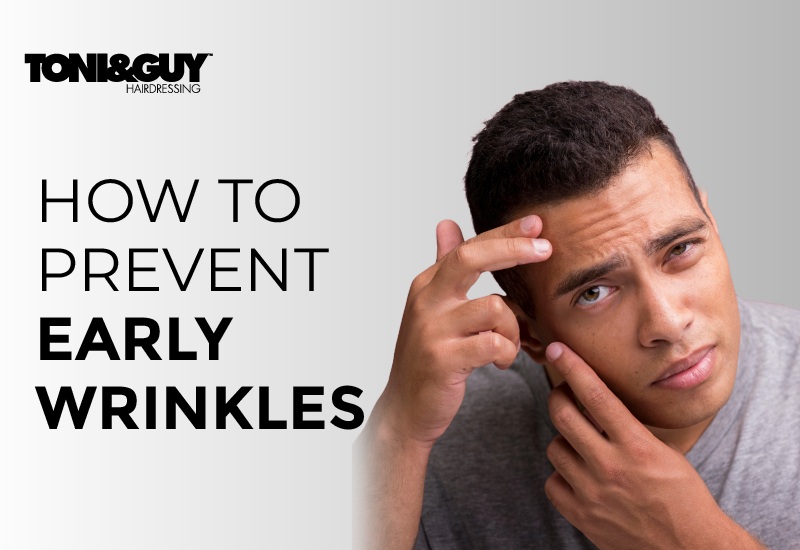
How To Prevent Early Wrinkles

Introduction

Wrinkles, those fine lines etched on our skin, often serve as markers of the passage of time and the natural ageing process. However, the good news is that their arrival doesn’t have to be premature.

While it’s an undeniable truth that we can’t halt the ageing process entirely, there exists a myriad of proactive measures within our reach to delay the appearance of these unwelcome guests and preserve the allure of youthful skin for an extended period.

In this comprehensive guide, we embark on an exploration of the underlying causes of early wrinkles, unravelling the intricacies of their formation. More importantly, we equip you with an extensive arsenal of strategies and practices to thwart their premature emergence.

From shielding your skin against the relentless onslaught of UV rays to nourishing it with the proper nutrients, and from adopting a meticulous skincare regimen to practising stress management, we delve deep into wrinkle prevention. The journey ahead is holistic, promising not only youthful skin but also a renewed sense of confidence in your appearance.

Causes of Early Wrinkles

prevent early wrinkles

1. Sun Exposure

Undoubtedly, one of the leading causes of premature wrinkles is prolonged and unprotected sun exposure. The sun emits harmful ultraviolet (UV) rays that penetrate the skin’s layers, leading to damage that accumulates over time. UV rays break down collagen and elastin, the proteins responsible for skin’s suppleness and elasticity.

Consequently, this loss of structural support results in the formation of wrinkles, fine lines, and unsightly sunspots. To shield your skin from this relentless assault, diligent sun protection, including broad-spectrum sunscreen application, protective clothing, and seeking shade during peak sun hours, is paramount.

2. Smoking

Smoking is another notorious contributor to early wrinkles. Cigarette smoke contains harmful chemicals that not only deprive your skin of oxygen but also damage collagen and elastin fibres.

Collagen and elastin are the essential building blocks of youthful, firm skin. Smoking accelerates their breakdown, resulting in sagging, wrinkled skin. Quitting smoking is not only crucial for overall health but also for preserving your skin’s vitality.

3. Poor Diet

The saying “you are what you eat” holds true for your skin as well. A diet lacking in essential nutrients and antioxidants can contribute significantly to premature ageing. Skin needs various vitamins, minerals, and antioxidants to maintain its health and vitality.

Nutrient-rich foods, such as fruits, vegetables, lean proteins, and whole grains, can provide the necessary building blocks for healthy skin. Incorporating foods rich in vitamins A, C, and E and omega-3 fatty acids can help combat the oxidative stress that leads to wrinkles.

4. Dehydration

Insufficient hydration can lead to dry, lacklustre skin that is more susceptible to wrinkling. When your skin lacks proper moisture, it loses its plumpness and becomes more prone to fine lines and wrinkles. Ensuring that you drink an adequate amount of water and use hydrating skincare products can help maintain your skin’s natural moisture balance and reduce the appearance of wrinkles.

5. Stress

Chronic stress is not just detrimental to your mental well-being; it can also wreak havoc on your skin. Stress triggers the release of hormones like cortisol, leading to inflammation and skin cell damage.

Over time, this chronic stress-induced inflammation can accelerate ageing, making wrinkles more prominent. Managing stress through relaxation techniques, exercise, and mindfulness practices can be a critical aspect of preventing premature wrinkles.

Prevention Strategies

prevent early wrinkles

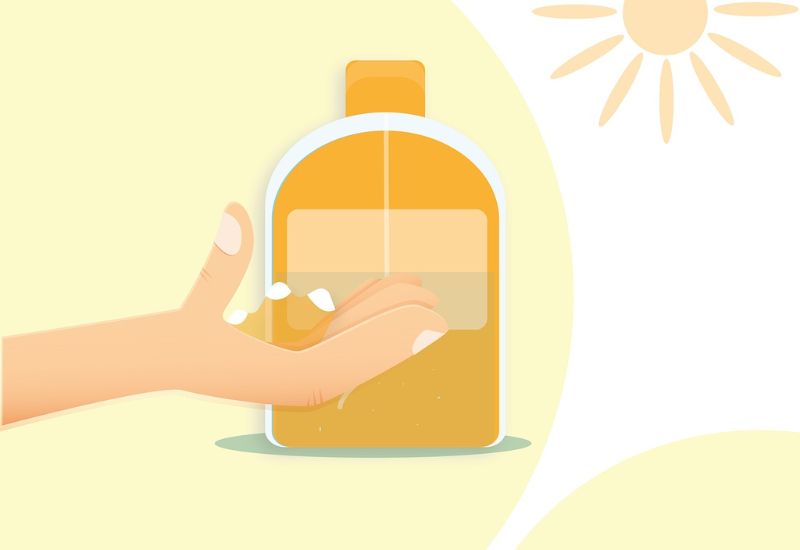
1. Daily Sun Protection

  • Apply sunscreen with at least SPF 30 daily, even on cloudy days.
  • Wear protective clothing, sunglasses, and wide-brimmed hats when outdoors.
  • Seek shade during peak sun hours.

2. Maintain a Healthy Diet

  • Consume a balanced diet rich in antioxidants, vitamins (especially A, C, and E), and essential fatty acids.
  • Stay hydrated by drinking plenty of water to keep your skin moisturised from within.

3. Avoid Smoking and Excessive Alcohol

  • Quit smoking to reduce skin damage and improve overall health.
  • Limit alcohol consumption, as excessive drinking can dehydrate the skin and lead to premature ageing.

4. Skincare Routine

  • Cleanse, tone, and moisturise your skin daily.
  • Use a retinol-based product to stimulate collagen production.
  • Apply a hydrating and anti-ageing serum with ingredients like hyaluronic acid and peptides.
  • Don’t forget the eye cream to target delicate eye area wrinkles.
  • Get regular facials and consider non-invasive treatments like microdermabrasion.

5. Hydration and Sleep

  • Get enough sleep (7-9 hours per night) to allow your skin to repair and regenerate.
  • Use a good-quality moisturiser to keep your skin hydrated.

6. Stress Management

  • Practice stress-reduction techniques such as meditation, yoga, or deep breathing exercises.
  • Ensure a healthy work-life balance to minimise chronic stress.

7. Avoid Excessive Facial Expressions

  • Repetitive facial movements like frowning or squinting can lead to fine lines. Consider Botox if necessary.

8. Regular Exercise

  • Exercise improves circulation, which can enhance skin health and tone.
  • Sweating helps clear out pores, preventing breakouts that can contribute to wrinkles.

Anti- ageing at Toni & Guy Salon

Toni&Guy hair salon

Toni & Guy’s facials are a rejuvenating oasis in the fight against ageing. Their beauty services in Chennai are designed to combat the signs of ageing effectively, helping clients restore youthful radiance.

Their expert aestheticians use cutting-edge techniques and top-quality products to address fine lines, wrinkles, and skin elasticity, tailoring treatments to individual skin types and concerns.

From deep-cleansing facials to advanced anti-ageing procedures, Toni & Guy’s beauty services deliver remarkable results. Beyond facials, their comprehensive offerings include haircare, makeup, and spa services, ensuring a holistic beauty experience. With Toni & Guy Chennai, you can confidently embrace the ageing process while looking and feeling your best.

Conclusion

Preventing early wrinkles combines adopting a healthy lifestyle, protecting your skin from harmful environmental factors, and using appropriate skincare products.

Remember that consistency is critical; long-term commitment to these practices will yield the best results in maintaining youthful, wrinkle-free skin. Ageing is a natural process, but you have the power to slow it down significantly.

FAQs

  1. Are wrinkles entirely preventable?

While wrinkles are a natural part of ageing, adopting a healthy lifestyle and skincare regimen can delay their onset and minimise their appearance.

  1. What’s the best age to start an anti-wrinkle skincare routine?

It’s never too early to start taking care of your skin. A basic skincare routine can begin in your late teens or early twenties, and anti-ageing products can be introduced in your late twenties to early thirties.

  1. Do anti-ageing creams and serums work?

The effectiveness of anti-ageing products varies, and results may not be dramatic. Look for products with proven ingredients like retinol, hyaluronic acid, and peptides, and use them consistently for the best results.

  1. Can I prevent wrinkles without using skincare products?

While skincare products can be helpful, adopting a healthy lifestyle, including sun protection, a balanced diet, hydration, and stress management, plays a significant role in wrinkle prevention.

  1. Are there any natural remedies for preventing wrinkles?

Natural remedies like using coconut oil, aloe vera, or green tea extracts may offer some benefits, but their efficacy varies from person to person. They can complement a comprehensive skincare routine but should not replace it.

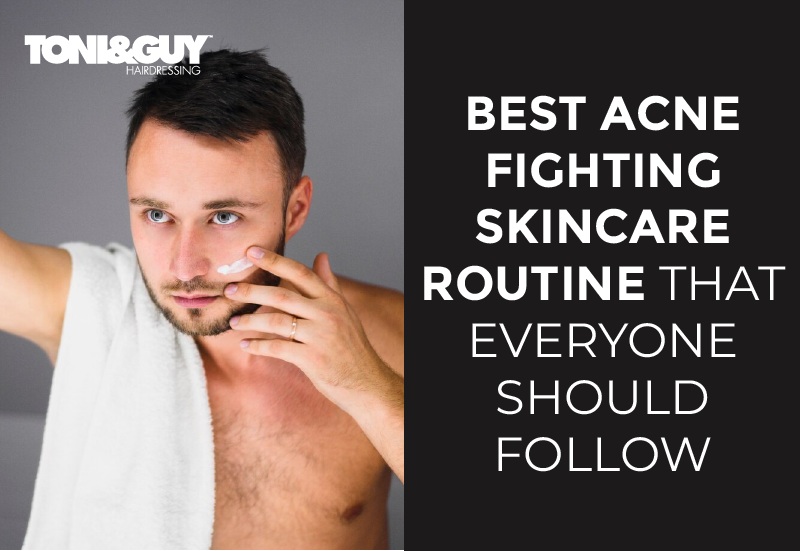
Best Acne Fighting Skincare Routine That Everyone Should Follow

Introduction

Acne is a general problem with more or less every age group of people, which makes them feel uncomfortable and lowers their self-esteem, too. However, a properly designed routine can help eliminate acne and be followed depending on different sorts of skin and lifestyles.

This blog post explains a great acne fighting skincare routine, carefully dissecting each step. We give you an insight into why these approaches work for the skin and guide you on customising them to your ideals. 

This way, it addresses the underlying causes of acne and promotes overall skin health by maintaining a balanced and sustainable skincare routine.

This routine gives you a complete strategy that will prevent and improve your skin conditions and make better than ever-looking skin, whether managing the occasional breakout or tackling chronic acne.

Understanding Acne and Its Causes

acne fighting skincare routine

Before diving into the routine, it’s crucial to understand what acne is and what causes it. Acne occurs when hair follicles become clogged with oil and dead skin cells, leading to blackheads, whiteheads, or pimples.

Factors contributing to acne include hormonal changes, diet, stress, and genetics. Understanding these factors can help tailor a skincare routine to combat acne effectively.

Gentle Cleansing

Cleansing is the cornerstone of any skincare routine, particularly for acne-prone skin. The key is to use a gentle cleanser that effectively removes impurities without stripping the skin of its essential oils. Over-cleansing or using harsh products can disrupt the skin’s natural balance, increasing oil production and aggravating acne.

When choosing a cleanser, look for non-comedogenic (won’t clog pores) and hypoallergenic formulations. Ingredients like hyaluronic acid or glycerin are beneficial as they cleanse while maintaining hydration.

It’s crucial to wash your face twice daily – in the morning to remove any oils that have built up overnight and clear away the day’s dirt and makeup in the evening.

Exfoliating with Care

Exfoliation is vital for removing dead skin cells and unclogging pores, common culprits in acne formation. However, moderation is key. Over-exfoliation can strip the skin of natural oils, leading to irritation and increased acne. It’s essential to choose the right type of exfoliant.

Chemical exfoliants like AHAs (e.g., glycolic acid) and BHAs (e.g., salicylic acid) are generally preferred for acne-prone skin as they are less abrasive than physical exfoliants. Limit exfoliation to 2-3 times a week and observe how your skin reacts, adjusting frequency as needed.

Using Acne-Fighting Treatments

Various treatments target acne, including topical retinoids, benzoyl peroxide, and salicylic acid. Topical retinoids help in cell turnover and prevent clogging of pores. Benzoyl peroxide is effective for its antibacterial properties, and salicylic acid is a BHA that profoundly penetrates pores to dissolve excess sebum.

Each ingredient has distinct benefits but can also be drying or irritating. Always conduct a patch test before completing the application and start with lower concentrations to minimise potential irritation. Introduce new treatments gradually, allowing your skin to adapt.

Moisturising and Hydrating

Contrary to popular belief, moisturising is crucial for acne-prone skin. Hydrating the skin helps to regulate oil production and maintain a healthy skin barrier. Select non-comedogenic moisturisers that provide necessary hydration without clogging pores.

Ingredients like ceramides, niacinamide, and hyaluronic acid are beneficial for preserving moisture while soothing the skin. Apply moisturiser while the skin is still damp to lock in extra hydration.

Sun Protection

Sun protection is essential, especially when using acne treatments, as many can increase photosensitivity. A broad-spectrum sunscreen protects against UVA and UVB rays. For acne-prone skin, look for sunscreens that are oil-free and non-comedogenic.

A gel-based or lightweight lotion formulation is preferable to avoid pore-clogging. Apply sunscreen every day, regardless of the weather, as UV rays can penetrate clouds and windows.

Lifestyle Factors and Diet

Acne is not just a topical issue; lifestyle and diet significantly influence skin health. Diets high in sugar and dairy have been linked to increased acne, while foods rich in omega-3 fatty acids, antioxidants, and vitamins can promote healthier skin.

Additionally, factors like stress, inadequate sleep, and certain medications can exacerbate acne. Adopting a holistic approach that includes healthy eating, regular exercise, and stress management techniques can be beneficial in managing acne alongside topical treatments. 

Toni & Guy Salons

acne fighting skincare routine

Toni & Guy salons in Chennai are synonymous with cutting-edge hairstyling and top-notch beauty services. With a strong global presence, they bring world-class expertise to the heart of the city.

Their talented team of hairstylists and beauty professionals offer a wide range of services, from precision haircuts and colouring to luxurious spa treatments and bridal makeovers.

Using premium products and innovative techniques, Toni & Guy ensures clients leave the salon feeling and looking their best. Whether you’re seeking a chic urban style or a classic look, Toni & Guy Chennai is the go-to destination for all your beauty and grooming needs.

Takeaway

The best combination for a skincare routine fighting against acne is the best mix of consistency, quality products and relationship with the skin. Knowing the skin type and reasons for this youthful outbreak will be essential.

Begin with a mild cleanser and move on to a toner as it restores the pH of your skin, and end with an oil-free spot treatment that can visibly clear breakouts with salicylic acid or benzoyl peroxide.

Remember to moisturise your skin, since even oily skins need this, and complete your skincare routine in the day with some broad-spectrum sunscreen. Exfoliate your skin once a week to clear dead skin cells, but avoid over-exfoliating as it can cause more irritation.

Most importantly, be patient and consistent with your routine because results take time. Remember to consult a dermatologist for severe or persistent acne.

Follow these steps and adapt along the way to clear and healthier skin. Something that you should not worry about is overnight results; rather, remain committed to the skincare journey you’ve already begun.

FAQs

  1. Can over-cleansing cause more acne?

Over-cleansing or using harsh cleansers can strip the skin of natural oils, leading to increased oil production and acne.

  1. How often should I exfoliate acne-prone skin?

Limit exfoliation to 2-3 times per week. Over-exfoliation can irritate the skin and worsen acne.

  1. Are there specific ingredients I should look for in acne treatments?

Look for ingredients like benzoyl peroxide, salicylic acid, and retinoids. Start with lower concentrations to minimise irritation.

  1. Is moisturising necessary for oily, acne-prone skin?

Absolutely. Moisturising helps regulate oil production and maintain skin health. Choose non-comedogenic products.

  1. Why is sunscreen important in an acne routine?

Many acne treatments increase skin sensitivity to the sun. Broad-spectrum sunscreen protects against harmful UV rays and prevents further skin damage.

  1. Can diet affect acne?

Yes, diet plays a role in skin health. Foods high in sugar and dairy may exacerbate acne, while a balanced diet rich in omega-3s and antioxidants can improve skin condition.